Dynamics and transient control guide
The best transient shaper plugins change punch, body and room sound without relying on a fixed threshold like a conventional compressor. The right one can make a kick hit harder, shorten an overlong snare, soften pick noise or move a whole bus forward. We compared ten current tools by control, speed, frequency selectivity and the sources each one handles best.
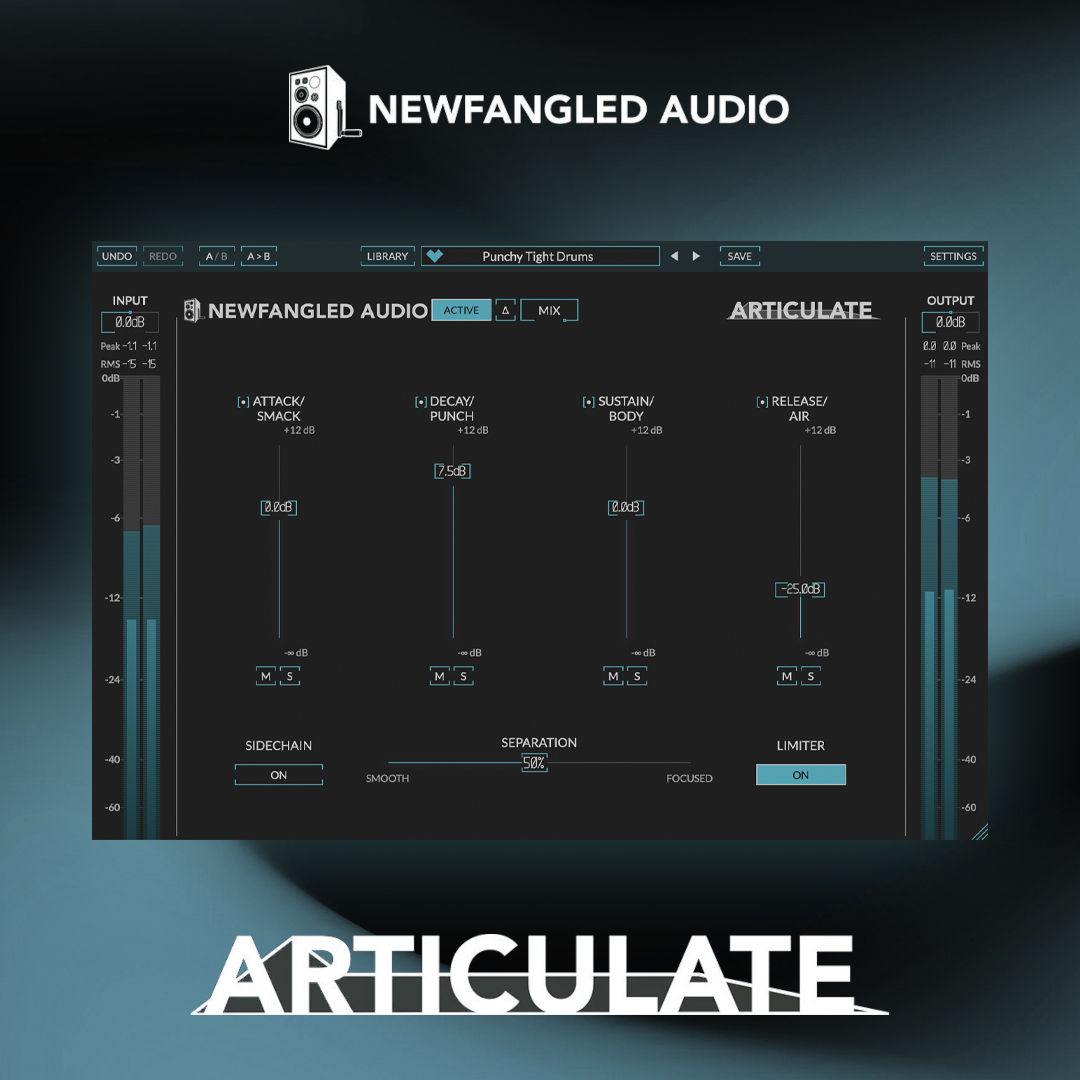
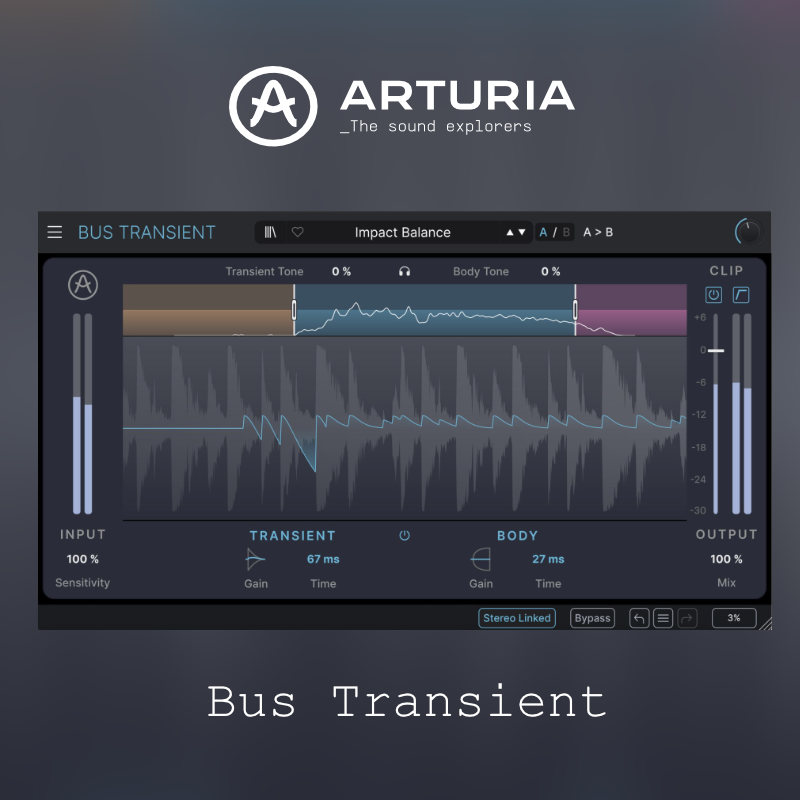
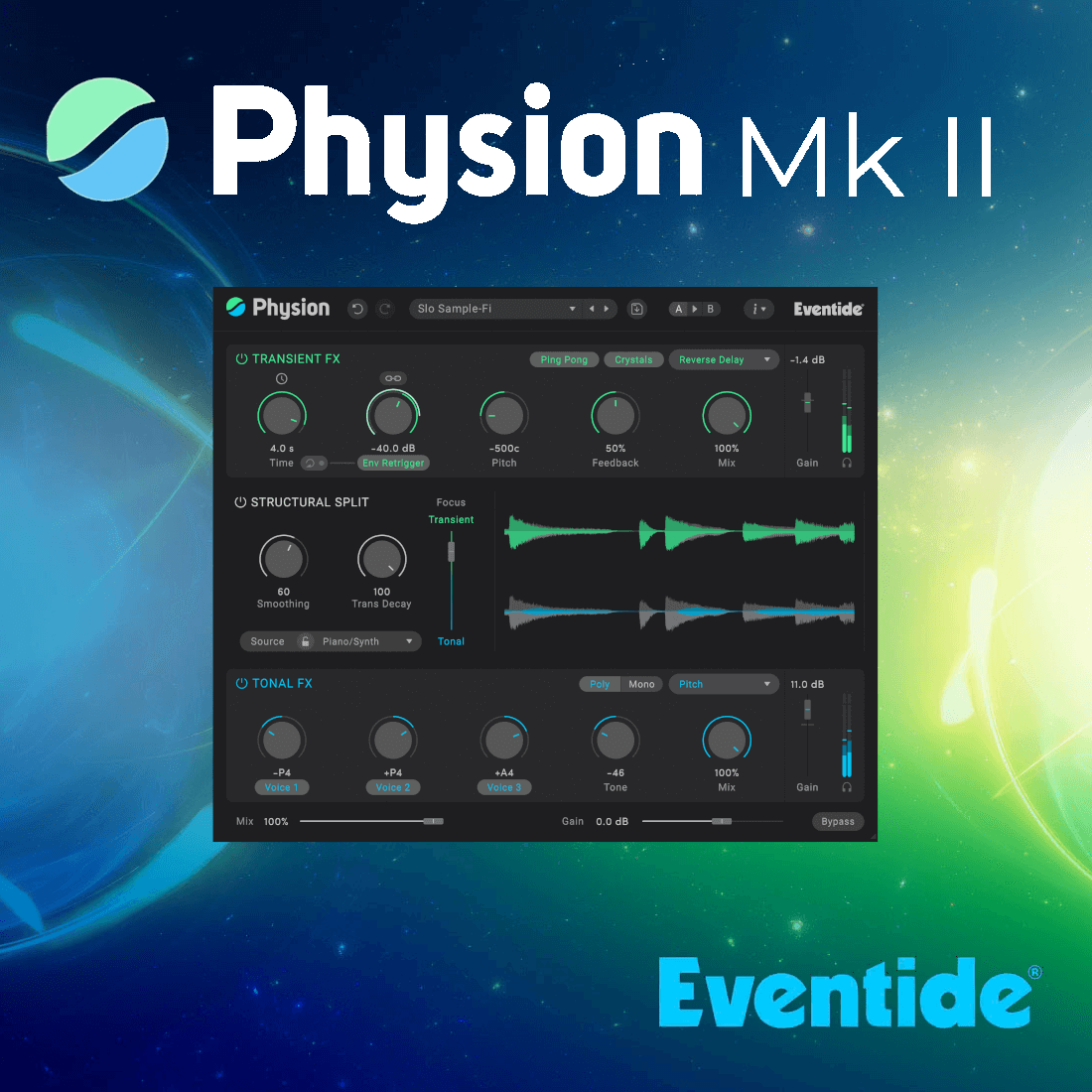
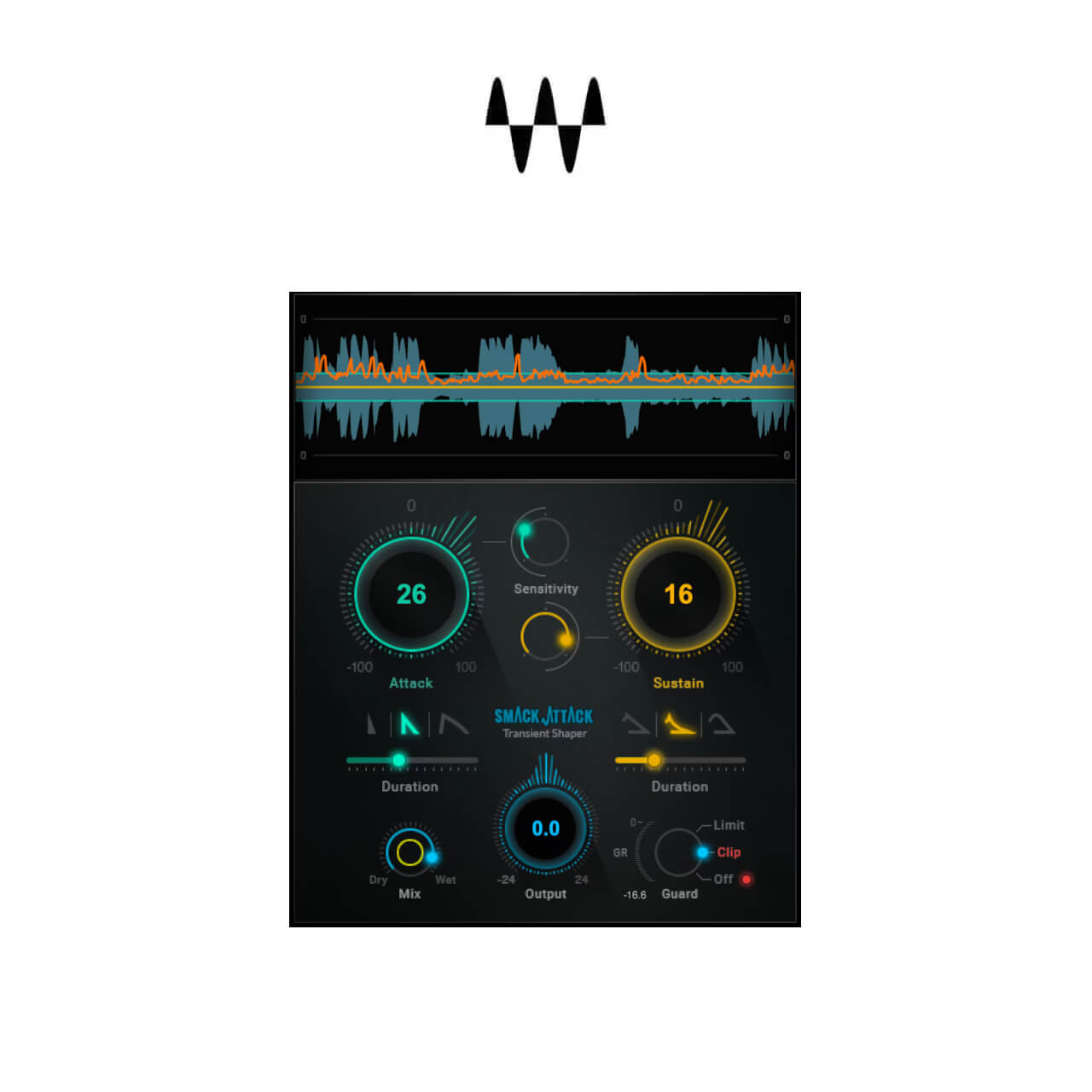
Newfangled Audio Articulate is the best transient shaper for most mixing work because it separates attack, decay, sustain and release into four intuitive controls. Choose Arturia Bus TRANSIENT for fast attack/body shaping with multiband precision, Eventide Physion Mk II for creative transient-versus-tonal effects, or Waves Smack Attack for detailed drum punch at an accessible price.
Four envelope stages make complex dynamics shaping feel direct.
Attack, body, multiband control and clipping in a clear interface.
Separate transient and tonal material, then process each differently.
Detailed attack and sustain shaping for tracks, buses and percussive sources.
How we chose the best transient shaper plugins
We looked beyond the basic attack and sustain knobs. A good transient shaper should detect changes reliably, make subtle adjustments without obvious pumping, and give enough timing or frequency control for the job. We also separated fast mixing tools from creative processors: Physion can transform a sound dramatically, while DS-10 deliberately keeps drum shaping immediate.
The 10 best transient shaper plugins compared
| # | Plugin | Best for | Key processing | Complexity |
|---|---|---|---|---|
| 1 | Newfangled Articulate | Best overall | Attack, decay, sustain and release shaping with sidechain and limiter | Medium |
| 2 | Arturia Bus TRANSIENT | Fast buses and tracks | Attack/body control, multiband precision and clipper | Easy |
| 3 | Eventide Physion Mk II | Creative sound design | Structural Split separates transient and tonal components | Deep |
| 4 | Waves Smack Attack | Detailed drum punch | Attack shape, duration, sensitivity and wet/dry control | Medium |
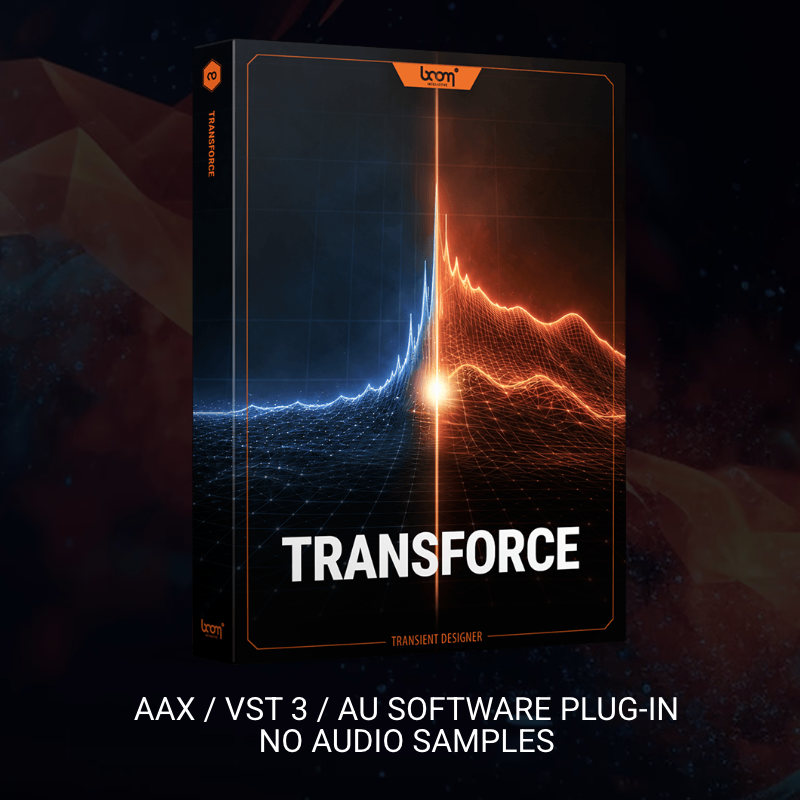
| 5 | BOOM TRANSFORCE | Sound design and post | Separate attack/sustain EQ, saturation and spectral separation | Deep |
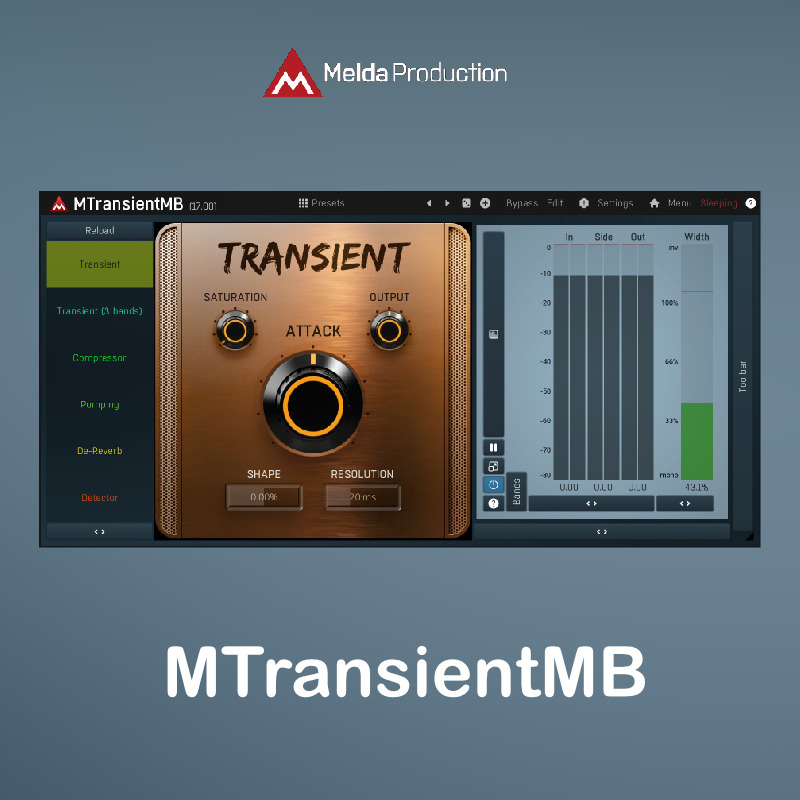
| 6 | MTransientMB | Multiband drums | Six bands, transient saturation and advanced split modes | Deep |
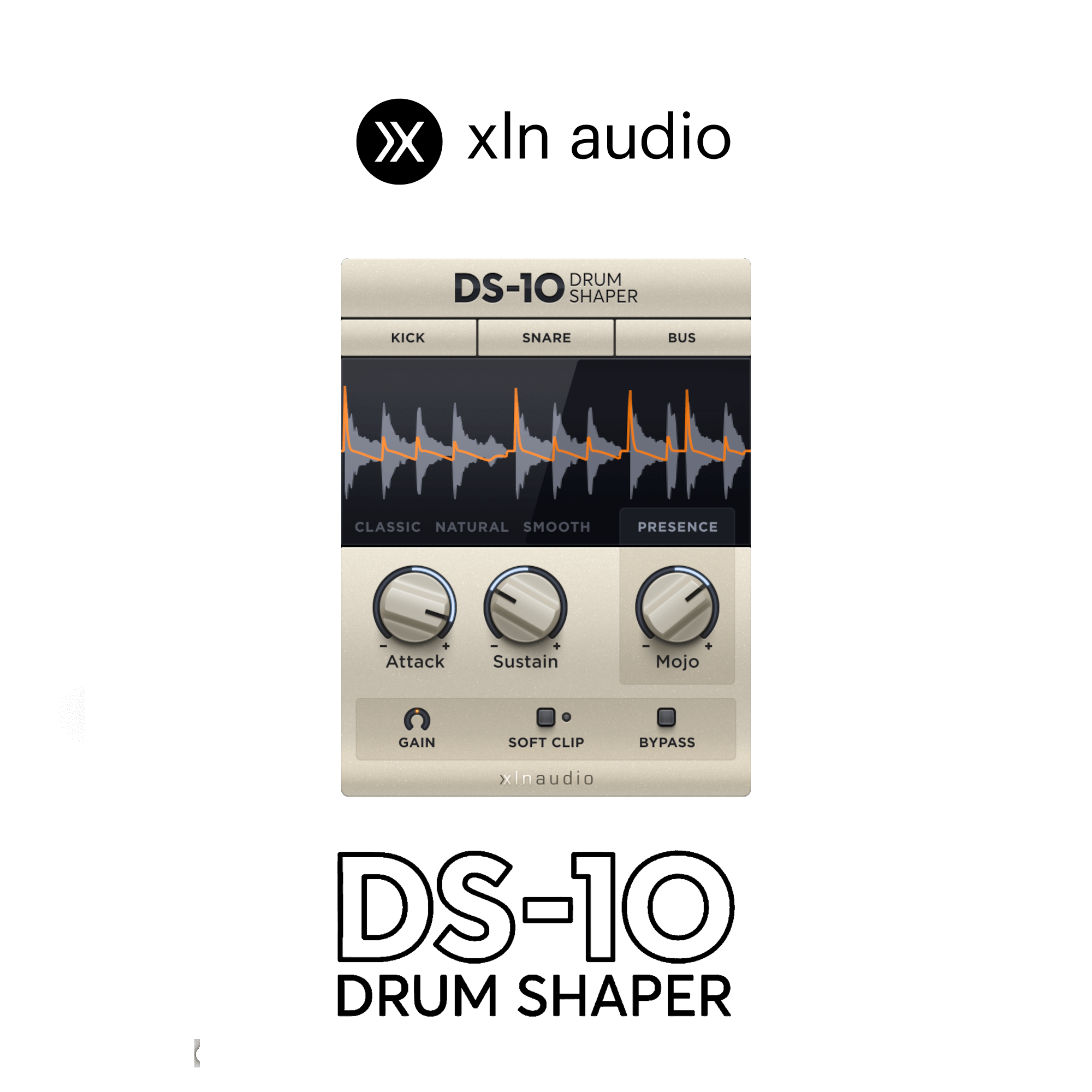
| 7 | XLN Audio DS-10 | Quick drum shaping | Kick, snare and bus modes with Mojo processing | Easy |
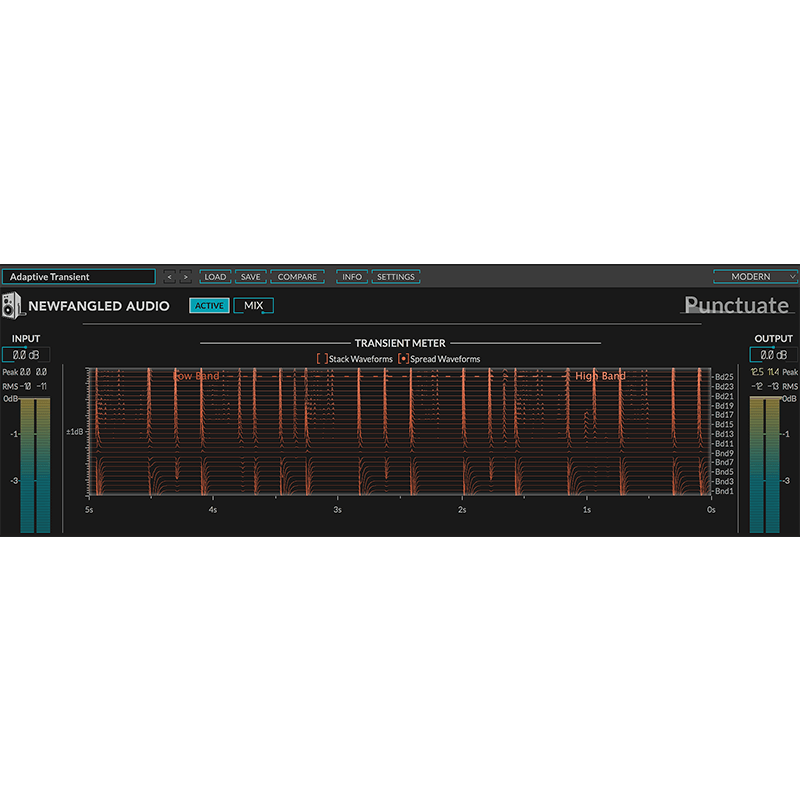
| 8 | Newfangled Punctuate | Frequency-specific shaping | Up to 26 critical-band transient shapers | Medium |
| 9 | AtomicTransient | Flexible conventional shaping | Attack and sustain control with practical mix tools | Easy–medium |
| 10 | Waves Trans-X | Classic wide/multiband workflow | Wideband plus four-band transient shaping | Medium |
How do you use a transient shaper without ruining the sound?
Begin at matched loudness and move the attack by a small amount. If the source needs more punch, increase attack before shortening sustain. If it feels too sharp, reduce attack instead of adding more compression. Sustain changes the perceived room and size: lowering it can tighten a kick or loop, while raising it can recover ambience and body.
Newfangled Audio Articulate
Articulate treats the amplitude envelope almost like a four-band fader system—but the “bands” are time stages: Attack/Smack, Decay/Punch, Sustain/Body and Release/Air. That makes it easier to add initial impact without automatically exaggerating the whole tail, or to recover body without blurring the attack.
A Smooth-to-Focused control changes how tightly detection follows the source. External sidechain detection can create space between competing parts, and the built-in peak limiter catches the extra level created by aggressive shaping. Fifty presets and per-stage solo/mute help with setup.
View Articulate
Arturia Bus TRANSIENT
Bus TRANSIENT is built around direct Attack and Body control with clear visual feedback. Its multiband precision can emphasize a snare, tighten low-end bloom or add weight without treating every frequency identically. A soft/hard clipper manages new peaks and can add saturation when driven.
It works well on individual drums, bass, instruments and buses because the interface stays simple even when the processing is selective. Choose it when you want a modern, fast tool that can move from transparent control to louder, colored shaping.
View Bus TRANSIENT
Eventide Physion Mk II
Physion Mk II uses Eventide’s Structural Split technology to separate a signal into transient and tonal components. Each side can then receive a different chain of delays, pitch shifts, reverbs and other effects. This makes it possible to widen or delay the body while keeping the initial hit centered, or distort a transient without clouding the sustained note.
More than 500 presets provide useful starting points, but this is a multi-effect and sound-design system—not the fastest utility for making a kick 10% punchier.
View Physion Mk II
Waves Smack Attack
Smack Attack provides separate attack and sustain shaping plus sensitivity, duration, attack-shape and wet/dry controls. That extra timing control helps recover a dull snare, emphasize a kick, soften hand percussion or bring pick attack forward without treating every event equally. Parallel processing is built in through the mix control.
View Smack Attack
BOOM Library TRANSFORCE
TRANSFORCE gives the attack and sustain sections their own multi-band parametric EQ and saturation. Its Spectral Slider separates tonal resonance from broadband noise, so a designer can change a guitar pick, impact crack or dialogue plosive independently from the body. Stylize, clipper and limiter modules, sidechain triggering, up to 4× oversampling and AudioSuite support make it especially strong for film, television and game work.
View TRANSFORCE
MeldaProduction MTransientMB
MTransientMB can split the source into as many as six bands, then increase or reduce transients independently. Additional split modes cover frequency, level, panorama, mid/side, transient-versus-tonal, noise and parallel processing. Transient saturation adds texture, while four modulators support advanced movement and automation.
View MTransientMB
XLN Audio DS-10
DS-10 is tuned specifically for drums and loops. Kick, Snare and Bus modes adapt the response to the source, while attack and sustain controls make it easy to move between tight, punchy and large. The Mojo control adds frequency-conscious color and weight without turning the interface into a multiband editor.
View XLN Audio DS-10
Newfangled Audio Punctuate
Punctuate divides the signal into as many as 26 perceptually spaced critical bands, then runs transient shaping across them. You can bring the kick forward without equally exaggerating the bass, reduce hi-hat spill around a snare, or recover impact in a complete mix. Adaptive control links the bands for smoother operation when full independence is unnecessary.
View Punctuate
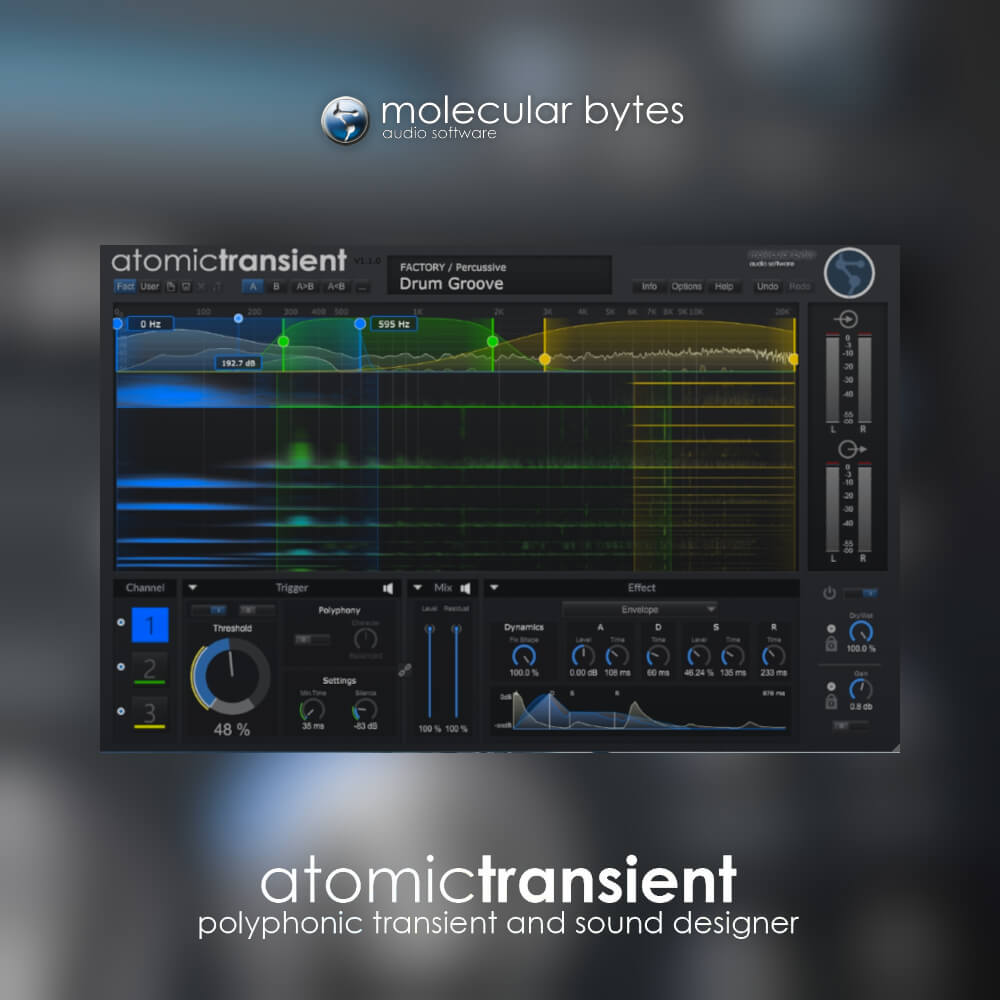
Molecular Bytes AtomicTransient
AtomicTransient is a flexible dedicated shaper for adjusting attack and sustain on individual tracks and buses. It occupies the middle ground between one-knob enhancers and complex multiband processors, making it a useful choice when you want conventional transient control with enough supporting options for mixing and sound design.
View AtomicTransient
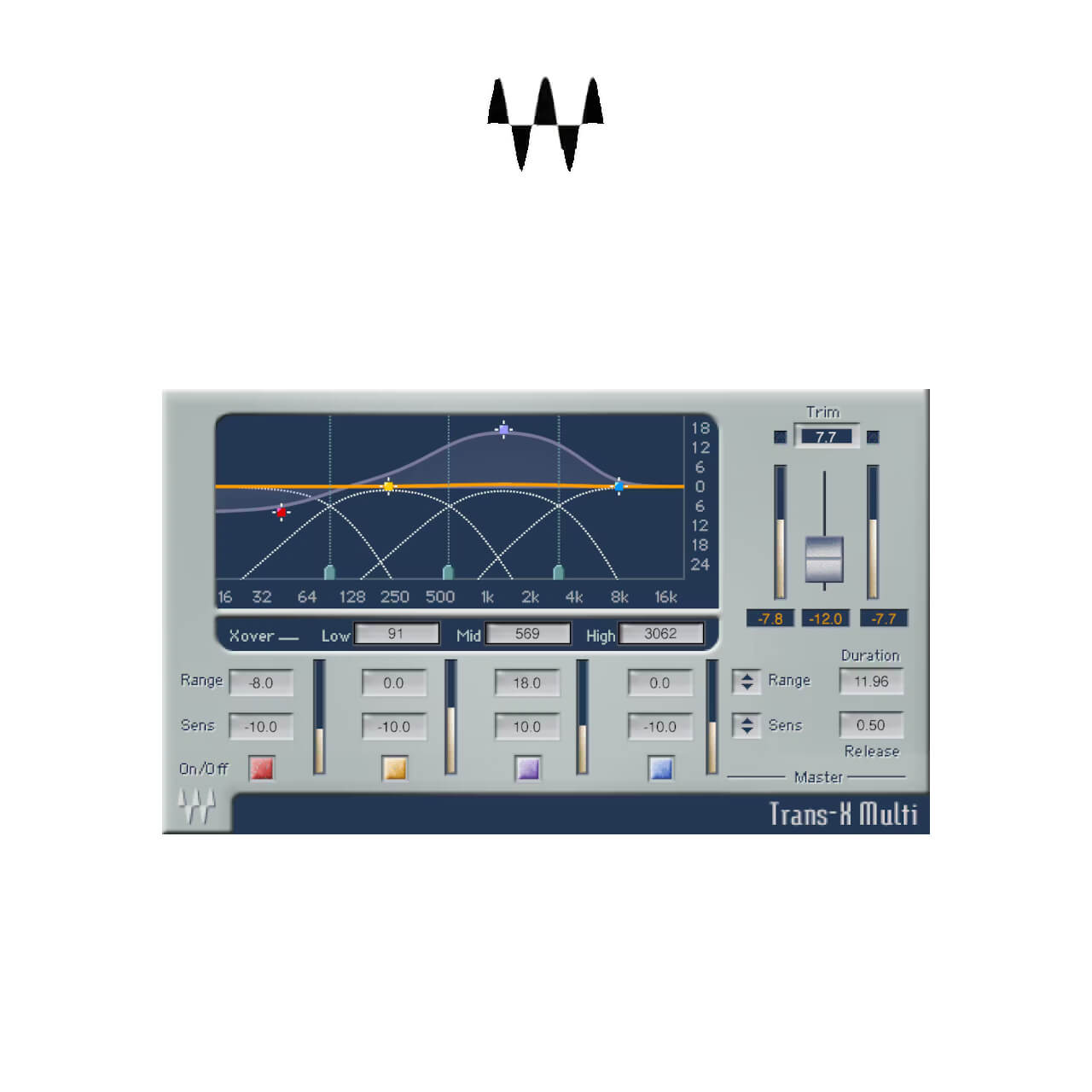
Waves Trans-X
Trans-X includes Wide and four-band Multi components. Wide handles quick track-level punch and sustain, while Multi lets you shape each frequency range with its own sensitivity and range. Duration and release controls refine detection, making the plugin useful on drums, guitars, bass and even stereo material when stems are unavailable.
View Waves Trans-X
Transient shaper plugin interfaces at a glance
Which transient shaper plugin should you buy?
Use the simplest tool that gives you the control the source needs
General mixing: Newfangled Articulate.
Fast tracks and buses: Arturia Bus TRANSIENT.
Creative separation and effects: Eventide Physion Mk II.
Drums with detailed timing: Waves Smack Attack.
Post and sound design: BOOM TRANSFORCE.
Deep frequency control: MTransientMB or Punctuate.
Related mixing guides
Frequently asked questions
What is the best transient shaper plugin?
Newfangled Articulate is the best all-round option here because it separates attack, decay, sustain and release while remaining easy to understand. Arturia Bus TRANSIENT is faster for simple track and bus work.
What does a transient shaper do?
It detects the changing envelope of a sound and lets you increase or reduce its initial attack and later sustain. This changes punch, apparent room, body and decay without a fixed threshold.
Is a transient shaper the same as a compressor?
No. A compressor reacts when level crosses a threshold and changes gain by a ratio. A transient shaper follows the envelope, so it can emphasize or soften attacks more independently of absolute level.
Can you use a transient shaper on a master?
Yes, but use very small moves and frequency-selective tools when possible. Large attack boosts can raise peaks or make a mix brittle; strong sustain cuts can remove depth.
Should transient shaping come before or after compression?
Either can work. Shape before compression when you want the compressor to react to the new envelope. Shape after compression when you want to restore attack or shorten sustain that compression emphasized.
Sources and methodology
Processing claims, formats and workflow details were verified against the live ProducerSources listings linked throughout this guide on November 8, 2026. Rankings reflect documented control, speed and production role. We did not assign artificial star ratings or claim one plugin is best for every source.
The post Best Transient Shaper Plugins in 2026: 10 Tools Compared appeared first on Producer Sources.